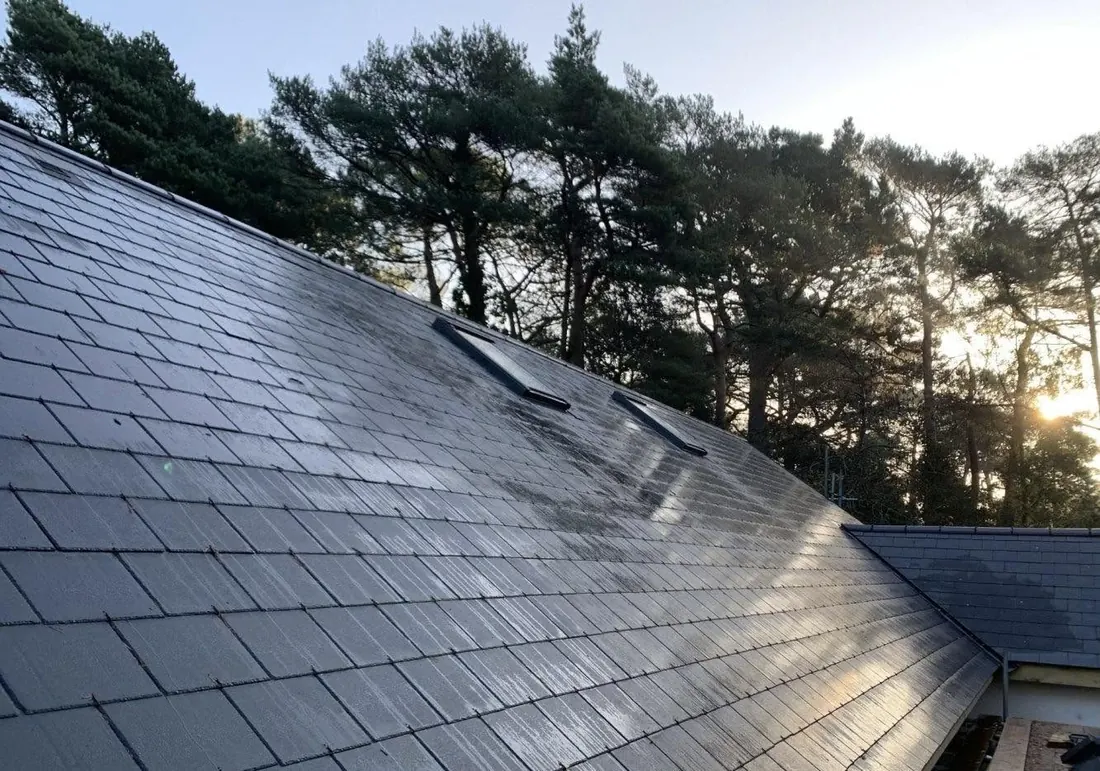
Roof Repairs
Slipped slates, leaks and flashing — sorted before a small problem becomes a big one.
Get a repair quote →ISLE OF MAN ROOFER · FULLY INSURED
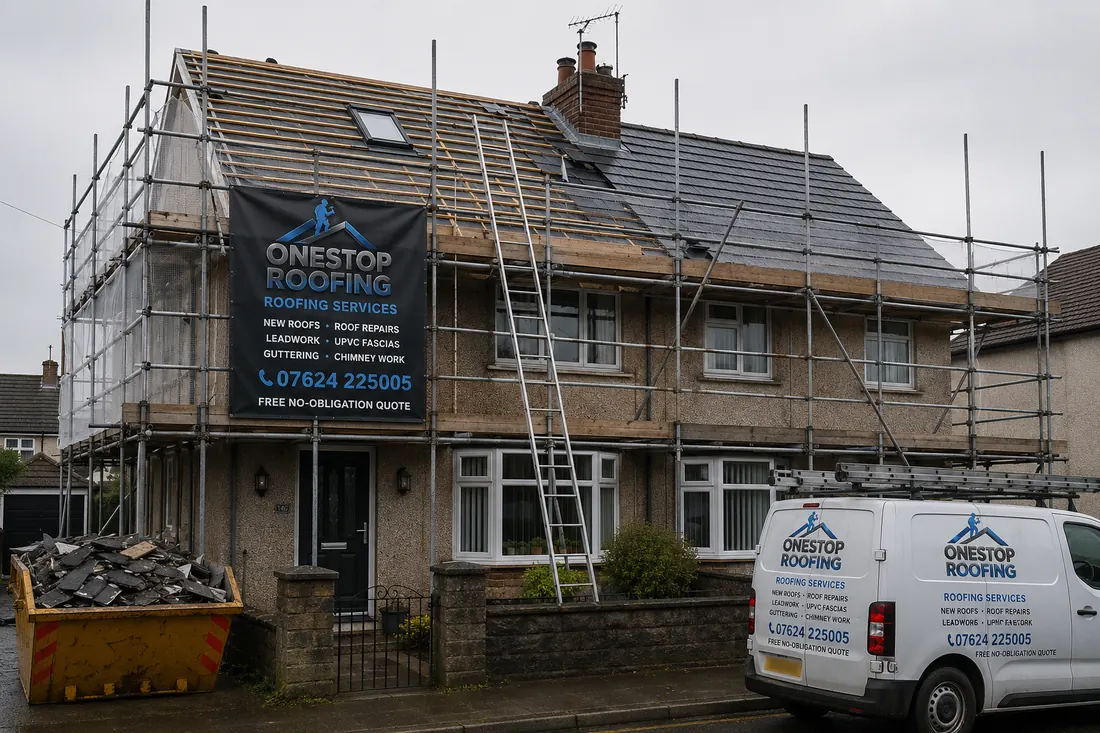
Repairs, re-roofs and emergency callouts, Island-wide. You'll get a straight price and the same face on the ladder that quoted the job.
WHAT WE DO
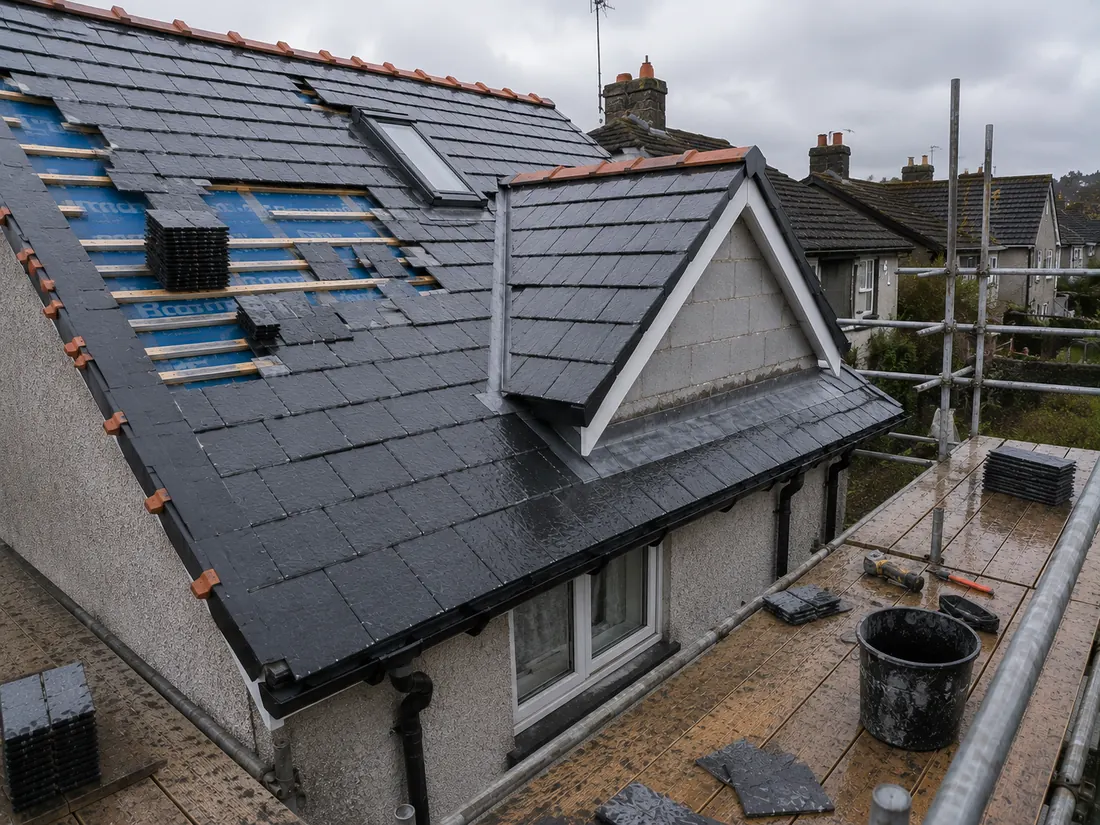
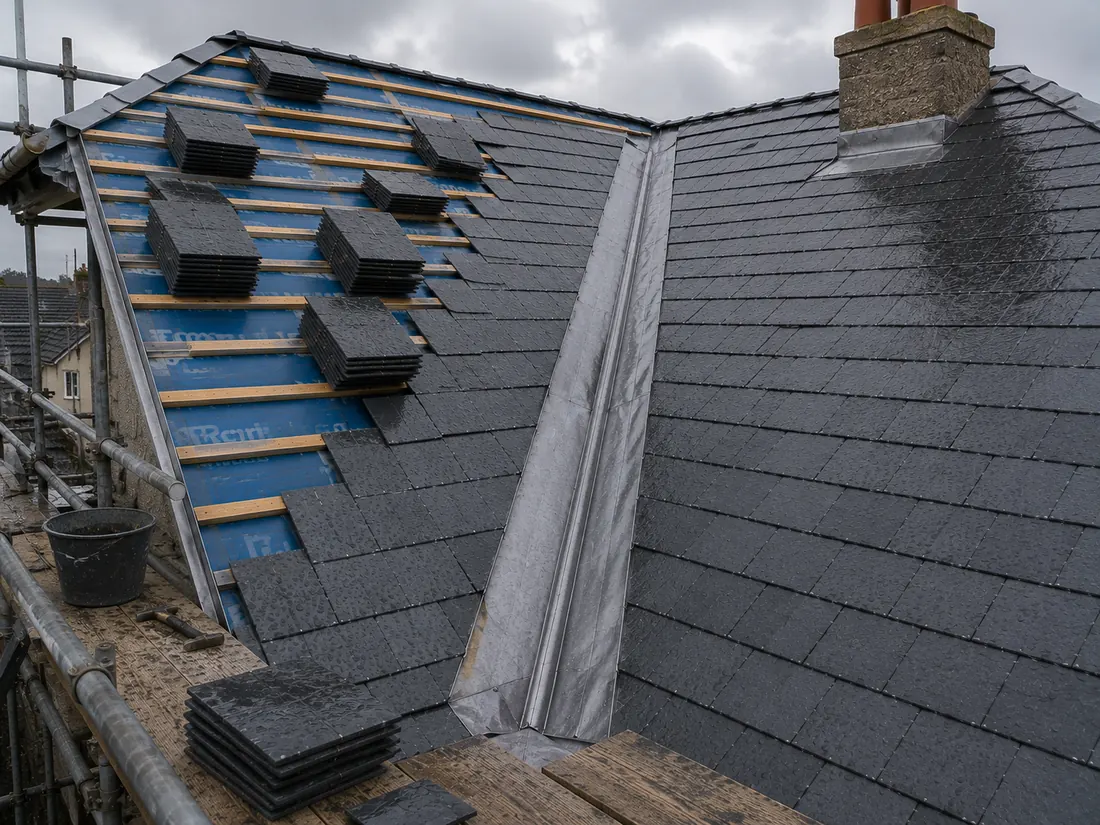
Slipped slates, leaks and flashing — sorted before a small problem becomes a big one.
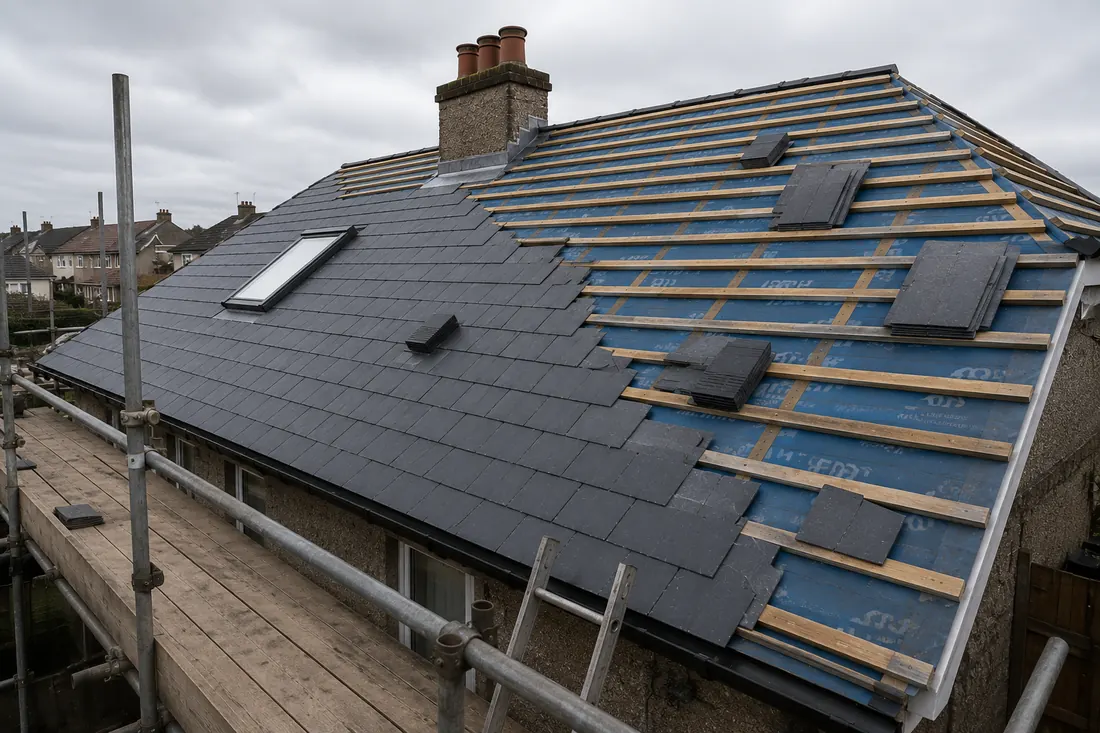
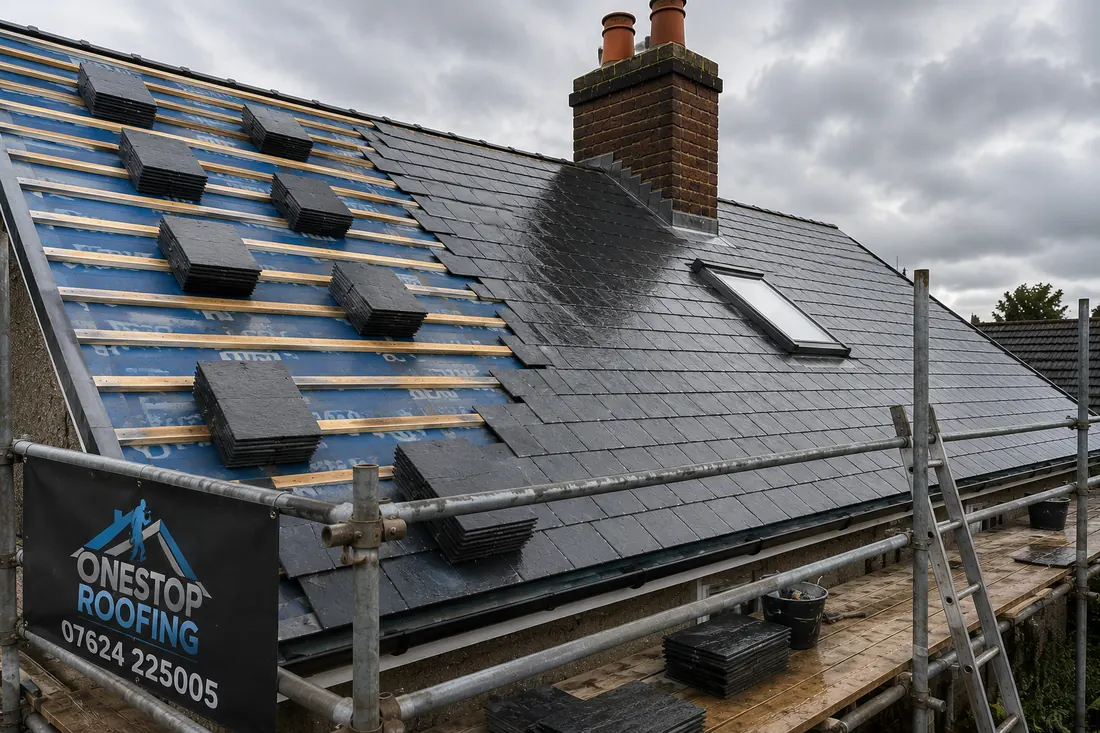
Get a repair quote →Full replacements, using materials picked for Manx weather, not the cheapest line on the price list.
Plan a re-roof →Storm's ripped something loose? Fast response Island-wide to stop water getting in.
Call now →GRP, felt and flat roof systems for shops and commercial units across Douglas and beyond.
Ask about commercial →THE ISLAND TEST
Mainland roofing standards don't always hold up once the gales come in off the Irish Sea. Everything we fit is chosen with these in mind.
Coastal salt eats through cheap fixings in a few winters. We use fittings rated for it, not the ones that are just cheapest to buy.
The Isle of Man sees wind speeds most UK roofing standards weren't written for. Fixing patterns are set accordingly.
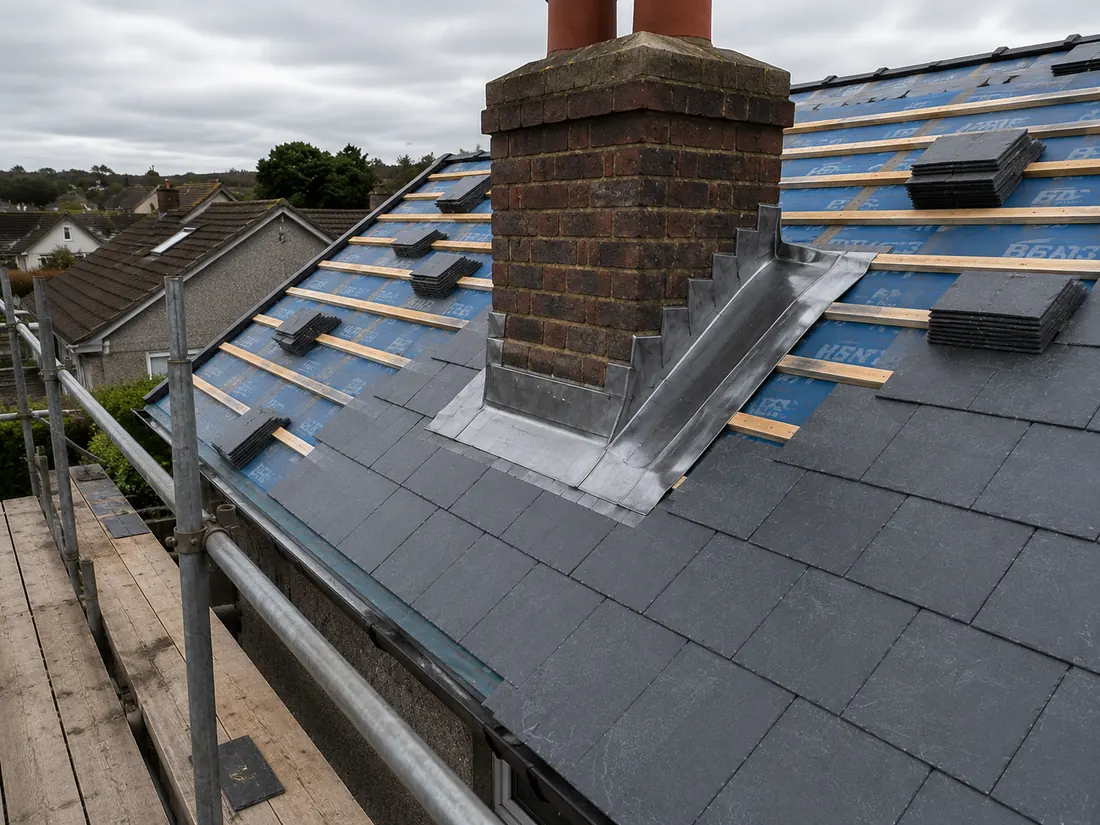
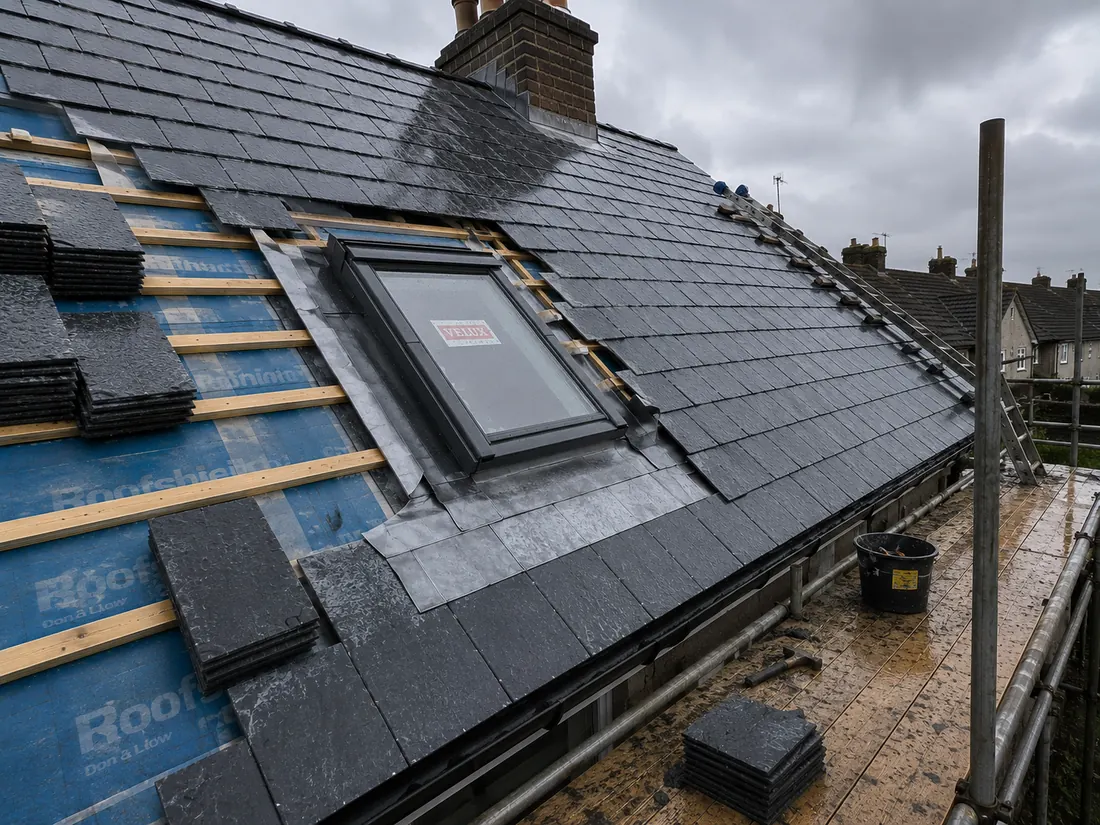
Most leaks aren't the roof — they're the flashing around it. It's the least visible part of the job and the part we don't rush.
FACEBOOK FOLLOWERS ONLY
Follow our Facebook page to qualify for a free, no-obligation roof inspection. No catch, no time limit — just our way of saying thanks for following along.
WHAT THE ISLAND SAYS
ROOFING QUESTIONS, ANSWERED
The right roof is about more than appearance. Pitch, exposure, fixings, ventilation and drainage all matter when your property faces Irish Sea weather.
A sheltered Douglas terrace and an exposed coastal bungalow may need very different specifications. We assess the building before recommending a material.
There is no single material that suits every property. Natural slate is long-lasting and looks right on many traditional Manx homes. Concrete or clay tiles can be practical where the roof pitch, structure and exposure are suitable.
We consider wind exposure, fixing requirements, weight, maintenance, appearance and budget before recommending a covering.
Strong winds and wind-driven rain find small weaknesses quickly. Coastal salt can also accelerate corrosion in unsuitable metalwork, while repeated wet-and-dry cycles can open up tired pointing, flashing and seals.
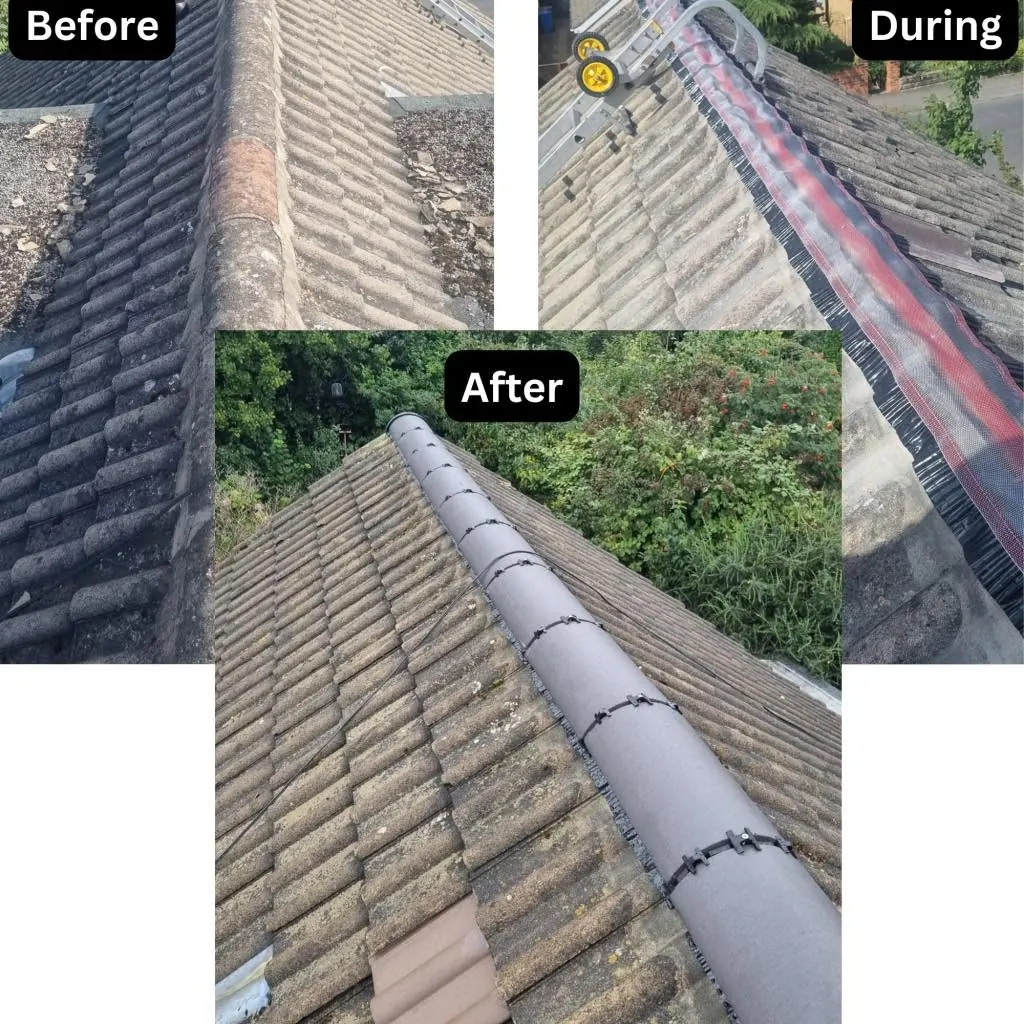
Secure mechanical fixings, correctly detailed ridges and verges, durable flashings and clear drainage routes are particularly important on exposed properties.
Natural slate offers a traditional finish and excellent lifespan when correctly graded and fixed. Fibre cement slate gives a lighter, uniform alternative. Clay and concrete tiles offer different profiles and price points but must suit the roof pitch and structural loading.
The best choice is the one specified for the building—not simply the cheapest price per tile.
High-performance felt, EPDM rubber and GRP fibreglass can all work well. The key is the complete build-up: a sound deck, correct falls, unobstructed outlets and properly formed edges, upstands and penetrations.
We match the system to the roof size, shape, expected foot traffic, existing structure and your maintenance priorities.
Often, yes. A leak may come from slipped or broken coverings, failed leadwork, damaged ridge or verge details, or blocked flat-roof outlets. If the surrounding roof is sound, a focused repair is usually the sensible first step.
Where coverings, battens or underlay are failing across several areas, repeated patching can cost more over time than a planned re-roof.
Look for missing, cracked or slipping slates and tiles; daylight or damp in the loft; staining on ceilings; loose ridge pieces; overflowing gutters; blistered flat-roof surfaces; or debris appearing after high winds.
Early inspection usually means more repair options and less chance of damage reaching insulation, timbers and internal finishes.
Yes. Insulation controls heat loss, while ventilation and vapour control help manage moisture. An incorrect combination can encourage condensation in the roof space even when the outer covering is watertight.
During a re-roof, we can assess the existing build-up and explain where ventilation or insulation details should be improved.
Like-for-like repairs may be straightforward, but listed buildings, conservation areas, structural alterations, and significant changes to materials, roof shape or height can require approval.
Always confirm the current requirements with Isle of Man Planning and Building Control before work starts. We can help you identify the questions to ask when pricing the job.
GET IN TOUCH
Send a few details and photos if you have them — most quotes can be given without an in-person visit for straightforward repairs.